
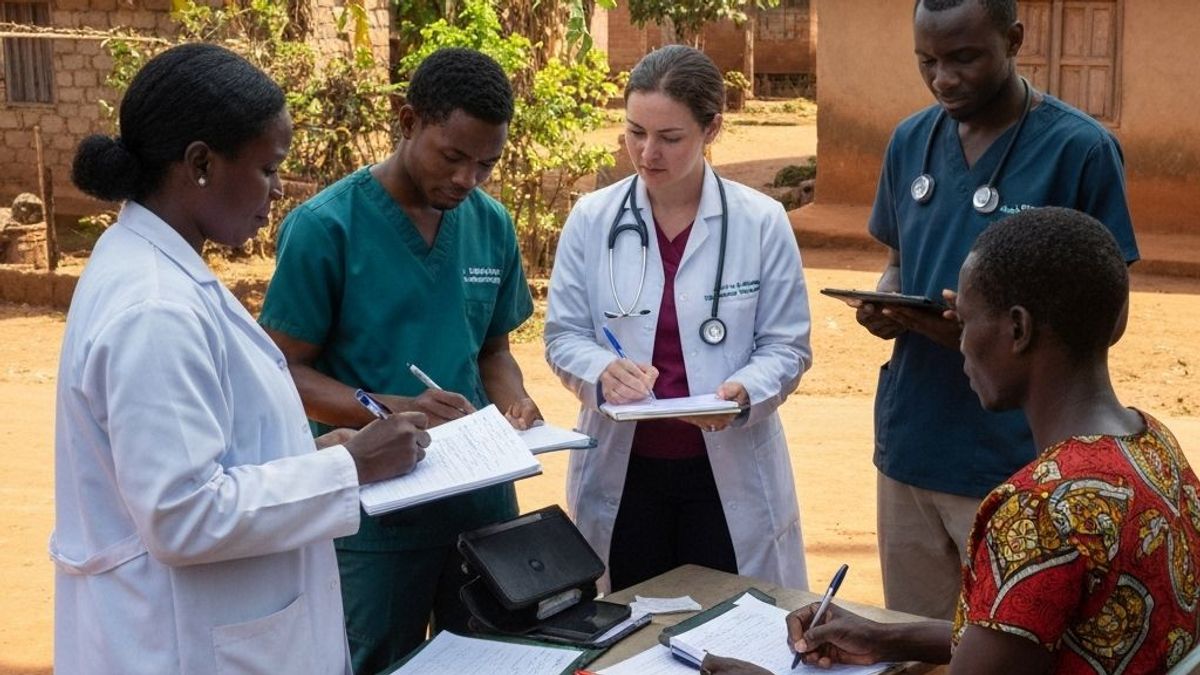
MedWHOLE's research team has published a comprehensive study in the Journal of Global Health demonstrating the significant impact of well-trained and supported community health workers (CHWs) on health outcomes in rural Nigerian communities. The three-year study, conducted across 150 communities in five countries, provides robust evidence for scaling CHW programs.
Key Findings: Communities with CHW programs showed a 35% improvement in overall health outcomes, 45% increase in prenatal care attendance, 40% reduction in childhood malnutrition, 30% improvement in chronic disease management, and 50% increase in health-seeking behavior for acute illnesses.
Success Factors: Our analysis identified several critical factors for CHW program success: comprehensive initial training (minimum 6 weeks), ongoing supervision and mentorship, integration with formal health system, community selection and support of CHWs, and adequate compensation and recognition.
Policy Implications: These findings have significant implications for health policy across Nigeria. We're working with governments to use this evidence to strengthen and expand CHW programs. The study demonstrates that investing in community health workers is not just effective, but cost-effective, with an estimated return of $4 for every $1 invested.
CATEGORY
researchSHARE THIS ARTICLE
About the Author
MedWHOLE Team
Contributing writer for MedWHOLE Alliance communications
Explore More News
Stay informed about our latest programs, research, and impact across Africa.
View All News